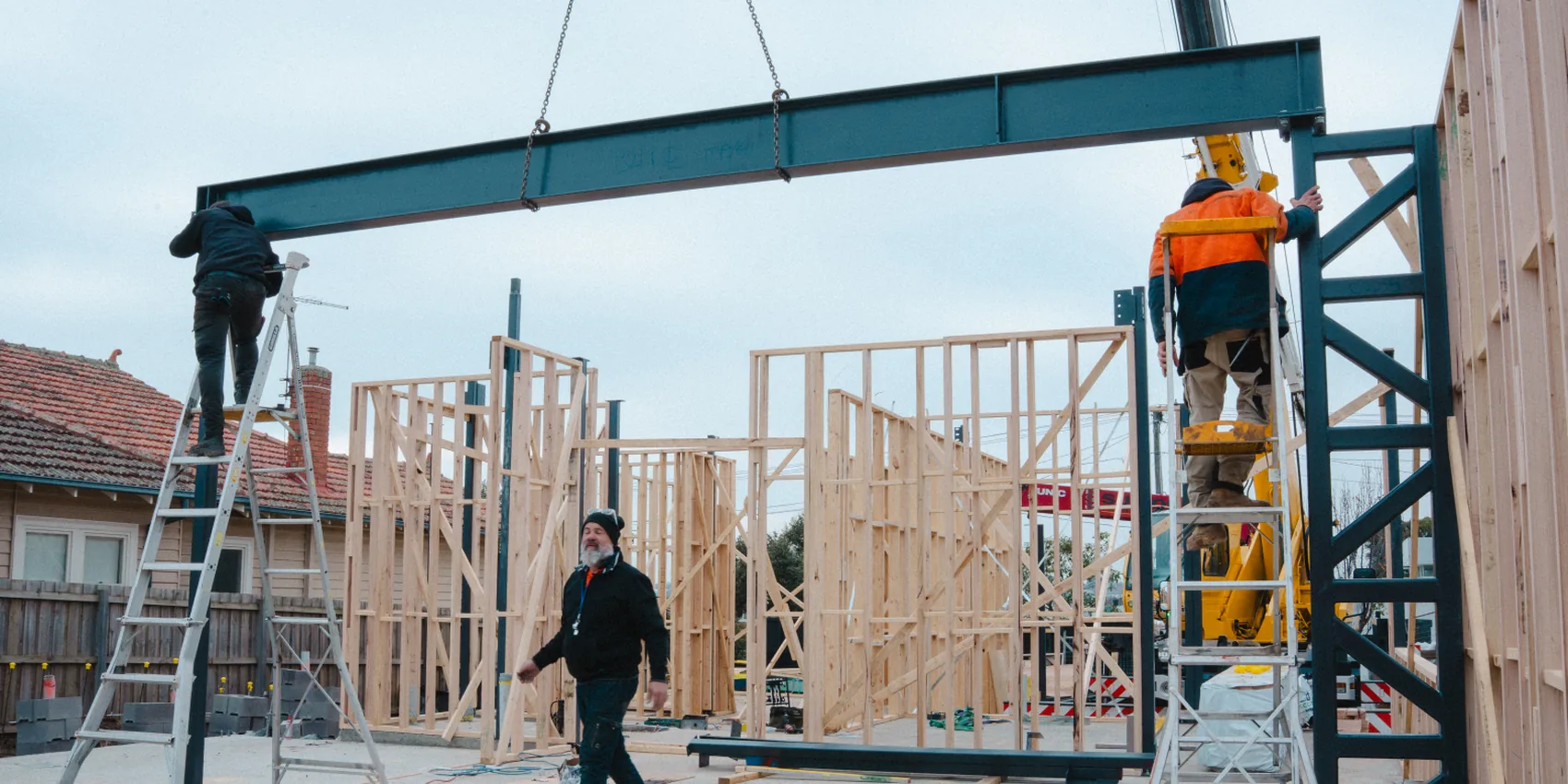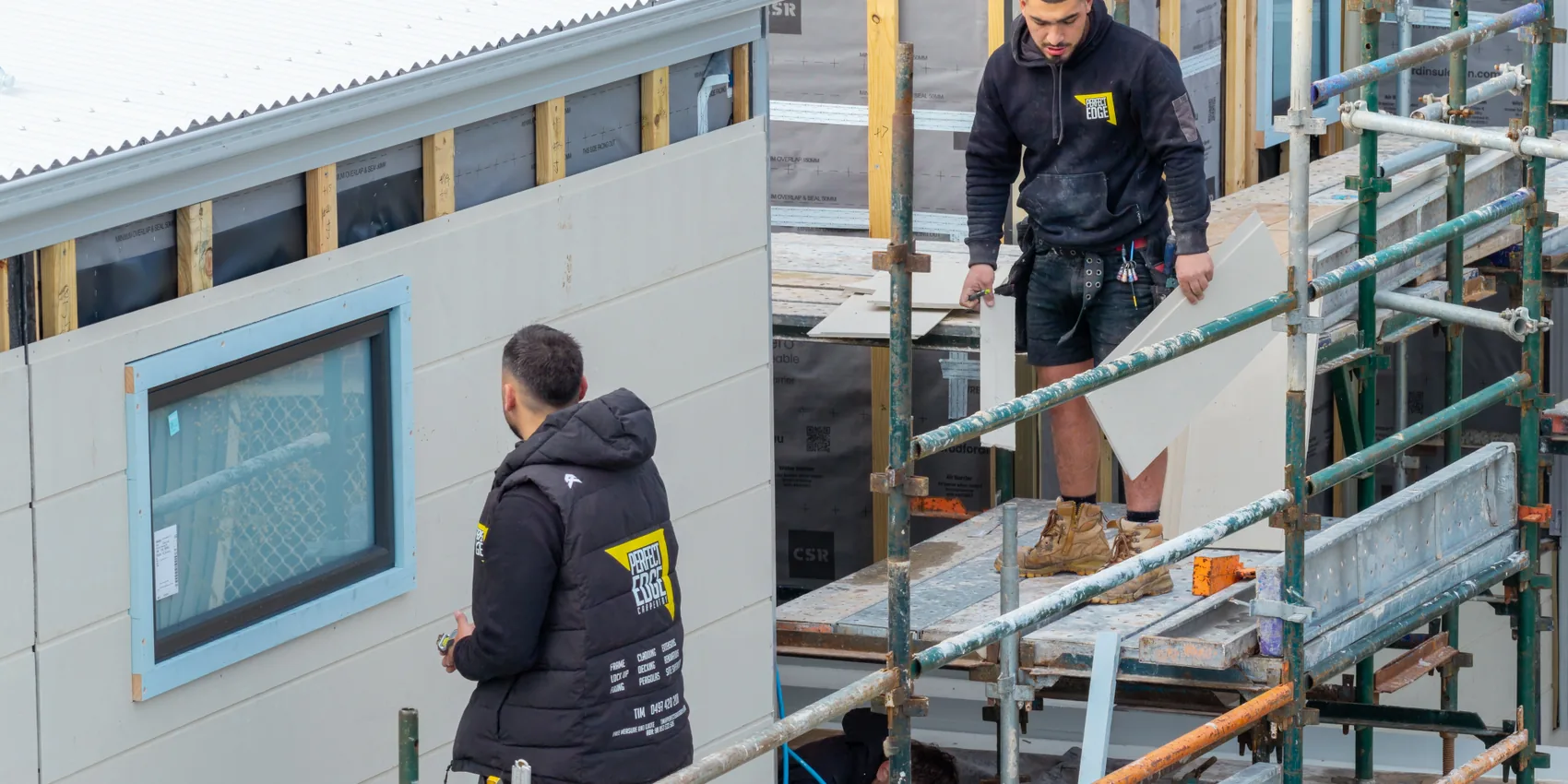
Most construction companies approach video the same way: they get one film made, usually late in a project, and then wonder why it didn't do much.
The problem isn't the film. It's that one video can't do five jobs.
A tender needs something different to Instagram. Recruitment needs something different to a client update. When companies treat video content for construction as a single deliverable rather than a set of assets, they end up with something that technically exists but never gets used.
Project film
Cinematic 2–3 minute piece per flagship project. Website, tenders, awards.
Progress content
Monthly capture through the build. Client updates and social.
Short-form social
Vertical reels, 15–45 seconds, cut for the feed.
Recruitment
People, pathways and culture. Careers pages and LinkedIn.
Capability film
Company overview for tenders, pitches and prequalification.
1. The project film
What it is: A two to three minute cinematic piece covering a single project — from early works through to completion.
What it's for: Your website, tenders, capability statements, client presentations and industry awards.
This is your flagship asset. It's the film you send when someone asks “what do you do?” and the one that sits on your homepage. The key is that it needs to show capability, not just the finished building. A project film that only shows the completed structure is a brochure. One that shows how it was built is an argument for hiring you.
How often: One per flagship project — for most builders, two to four a year.
2. Progress and milestone content
What it is: Regular short updates captured through the build — monthly edits, drone stills, key milestone moments.
What it's for: Client updates, social media, internal records and the raw material for your eventual project film.
This is the workhorse. It keeps clients informed, keeps your channels active during the eleven months when nothing is finished, and builds the archive you'll need later. It's also the content you can't recreate — miss the demolition and it's gone permanently. We've written more on this in why every builder should be filming site progress.
How often: Monthly, or at key stages.
3. Short-form social content
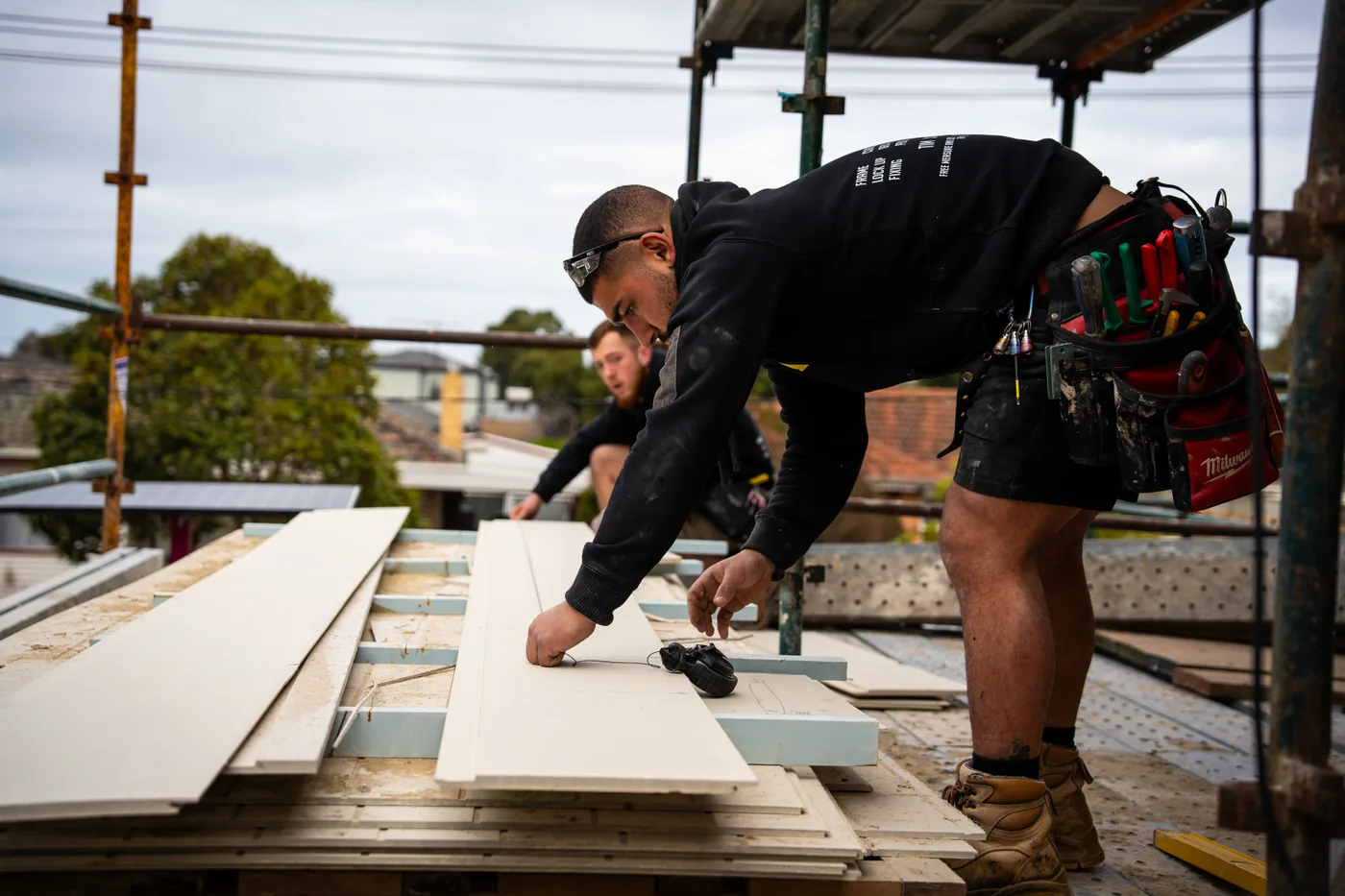
What it is: Vertical reels for Instagram, TikTok and LinkedIn — 15 to 45 seconds, fast, designed for the feed.
What it's for: Reach, brand awareness, staying visible between projects.
Construction is one of the best-performing categories on short-form video, and most companies still aren't using it properly. Machines, demolition, heights, scale and process all perform extremely well because they're visually unusual to people outside the industry.
The mistake is repurposing a corporate film into a reel. Short-form needs to be shot and cut for the format — vertical, hook in the first second, no slow build.
How often: Weekly or fortnightly. Consistency matters more than polish.
The companies getting the most out of video aren't spending the most. They're capturing consistently instead of commissioning one film at the end of a job.
4. Recruitment and culture video
What it is: Content showing the people, the pathways and what it's actually like to work at your company — interviews, day-in-the-life, graduate and apprentice stories.
What it's for: Attracting staff, careers pages, LinkedIn, university and TAFE partnerships.
The industry has a workforce shortage, and most construction recruitment material is a job ad with a logo on it. Companies that show real people doing real work attract better applicants — at a fraction of agency cost. See the Graduate Engineer Documentary for how this looks in practice.
How often: One or two pieces a year, refreshed as the team changes.
5. Corporate and capability overview
What it is: A single company film — who you are, what you deliver, the sectors you work across, the scale you operate at.
What it's for: Tenders, your homepage, presentations, trade shows, prequalification and client pitches.
Where the project film proves you can deliver a specific type of job, the capability film positions the whole business. Most companies only make this once every few years, which is fine — but it should be genuinely good, because it's doing high-stakes work.
How often: Every two to three years, or after significant growth.
How the five types feed each other
They aren't five separate expenses. They overlap.
If you're documenting projects properly as you go, the progress footage feeds the project film, the project film feeds your capability piece, and every shoot generates short-form along the way.
Where to start
- Start documenting your current project — you can't get this footage back later
- Build short-form from that footage — immediate, low-cost visibility
- Produce a project film once the job is complete
- Add a capability film once you've got two or three strong projects
- Layer in recruitment content when hiring becomes a priority
Video production for construction in Melbourne
Strum Media produces video and photography for construction companies across Melbourne and Victoria — project films, progress documentation, drone and FPV, short-form social content, and recruitment and culture pieces.
We work on active sites, around programs and inductions, with an understanding of how construction projects actually run.